
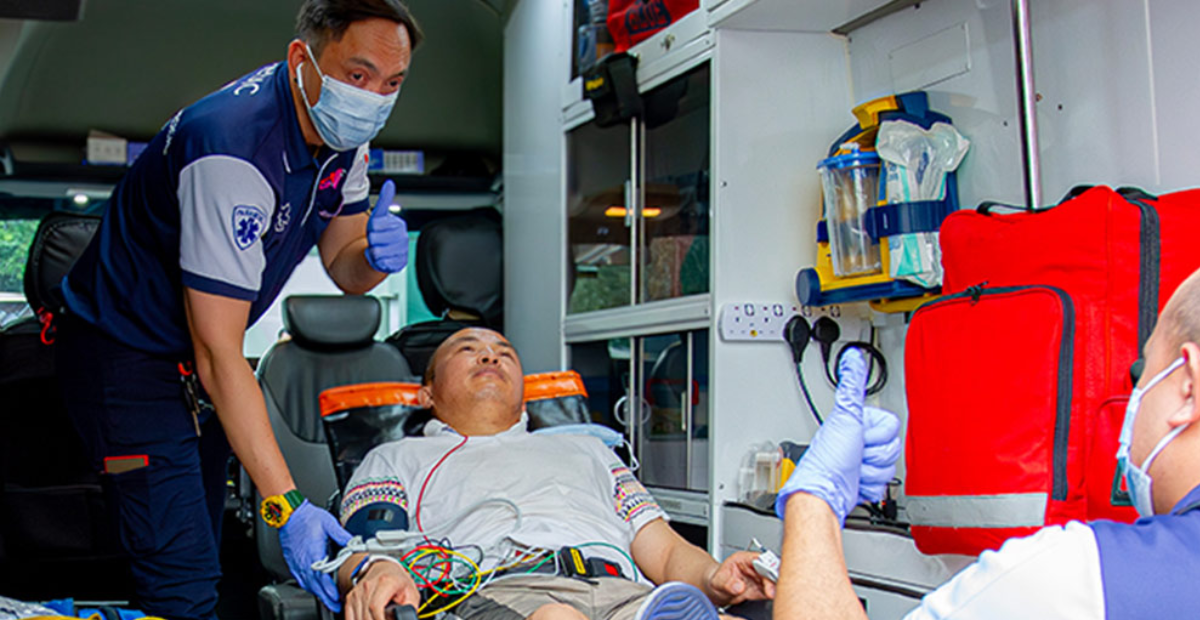
Non Emergency Ambulance: A Complete Guide to Safe and Comfortable Medical Transport
In today’s fast-paced world, healthcare needs are evolving rapidly, and transportation plays a crucial role in ensuring patients receive timely care. One such essential service is the Non Emergency Ambulance, which is specifically designed for patients who do not require immediate life-saving intervention but still need medical assistance during transport. These services bridge the gap between regular transportation and emergency ambulances, offering comfort, safety, and professional care.
What is a Non Emergency Ambulance?
A Non Emergency Ambulance is a specialized medical transport service for patients who are stable but unable to travel independently. Unlike emergency ambulances that respond to critical situations, this service is pre-scheduled and focuses on planned medical transportation.
Patients who benefit from this service include those going for routine checkups, dialysis, physiotherapy sessions, or hospital discharge transfers. The presence of trained medical staff ensures that the patient’s condition remains stable throughout the journey.
Who Needs Non Emergency Ambulance Services?
There are several situations where a Non Emergency Ambulance becomes necessary. Patients who are elderly, disabled, or recovering from surgery often find it difficult to use standard transport options.
For example, individuals with mobility issues may require stretchers or wheelchairs, which are not available in taxis or personal vehicles. Similarly, patients who need oxygen support or monitoring during transit rely heavily on these services.
In addition, families often prefer these ambulances for peace of mind, knowing that trained professionals are handling their loved ones during transport.
Key Features of Non Emergency Ambulance
One of the major advantages of a Non Emergency Ambulance is the wide range of features it offers. These vehicles are equipped with medical tools and facilities to ensure patient comfort and safety.
Most ambulances include:
- Comfortable stretchers and wheelchairs
- Oxygen support systems
- Basic life support equipment
- Trained paramedics or medical attendants
- Hygienic and well-maintained interiors
These features make the service highly reliable for non-critical medical transportation needs.
Benefits of Using Non Emergency Ambulance
Choosing a Non Emergency Ambulance comes with multiple benefits that go beyond just transportation. It provides a stress-free experience for both patients and their families.
1. Safety and Medical Supervision
Patients are monitored throughout the journey, ensuring that any minor health issue can be handled immediately.
2. Comfort and Convenience
The vehicles are designed to accommodate patients with different needs, including those who cannot sit upright.
3. Timely Transportation
Since these services are pre-booked, they ensure punctuality and reduce the risk of delays.
4. Professional Assistance
Trained staff assist with lifting, positioning, and caring for patients during the journey.
Difference Between Emergency and Non Emergency Ambulance
It is important to understand how a Non Emergency Ambulance differs from emergency services.
Emergency ambulances are designed for critical situations such as heart attacks, accidents, or severe injuries. They are equipped with advanced life-saving equipment and operate with sirens for immediate response.
On the other hand, non-emergency services are planned and focus on stable patients. They prioritize comfort and scheduled transport rather than urgency.
When Should You Book a Non Emergency Ambulance?
Booking a Non Emergency Ambulance is ideal in situations where medical support is needed but there is no immediate threat to life.
Common scenarios include:
- Hospital discharge transfers
- Routine medical appointments
- Rehabilitation visits
- Long-distance medical travel
- Transport for elderly or disabled individuals
Planning in advance ensures availability and allows the service provider to prepare according to the patient’s needs.
How to Choose the Right Service
Selecting the right Non Emergency Ambulance service is essential for a smooth experience. There are several factors to consider before making a decision.
Check Equipment and Facilities
Ensure that the ambulance is equipped with necessary medical tools like oxygen and stretchers.
Verify Staff Qualifications
The presence of trained paramedics or medical attendants is crucial.
Look for Reliability
Choose a service known for punctuality and professionalism.
Consider Cost Transparency
Make sure there are no hidden charges and the pricing is clear.
By keeping these factors in mind, you can ensure safe and efficient patient transport.
Cost of Non Emergency Ambulance Services
The cost of a Non Emergency Ambulance depends on several factors such as distance, type of equipment required, and level of medical support.
Basic transport services are generally affordable, while those requiring advanced support or long-distance travel may cost more. However, the value provided in terms of safety and comfort often outweighs the expense.
Many service providers also offer customized packages to suit different patient needs.
Role in Modern Healthcare
The importance of a Non Emergency Ambulance in modern healthcare cannot be overstated. As hospitals become more specialized and treatments require frequent visits, the need for reliable transport services continues to grow.
These ambulances help reduce hospital congestion by enabling timely discharges and ensuring patients reach appointments without complications. They also play a significant role in improving patient outcomes by minimizing travel-related stress.
Conclusion
A Non Emergency Ambulance is an essential service that ensures safe, comfortable, and professional medical transport for patients who do not require urgent care. From elderly individuals to those recovering from surgery, this service caters to a wide range of needs.
By offering trained staff, proper equipment, and reliable transportation, it provides peace of mind to patients and their families. As healthcare continues to evolve, the demand for such services will only increase, making them a vital part of the medical ecosystem.